
our blogs
Fibbro
The Role of Precision Engineering in Modern Manufacturing
Introduction
In today’s fast-paced industrial landscape, precision engineering is more crucial than ever. From automotive to aerospace, industries demand highly accurate and reliable components to meet stringent quality standards. Companies like Pavani Precision Technics are at the forefront of this transformation, leveraging advanced technology to enhance efficiency and productivity.
The Need for Precision Engineering
Modern manufacturing requires components that meet exact specifications with minimal tolerances. This precision ensures:
Enhanced product quality and durability
Reduced material wastage
Improved operational efficiency
Cost-effectiveness in mass production
Technologies Driving Precision Engineering
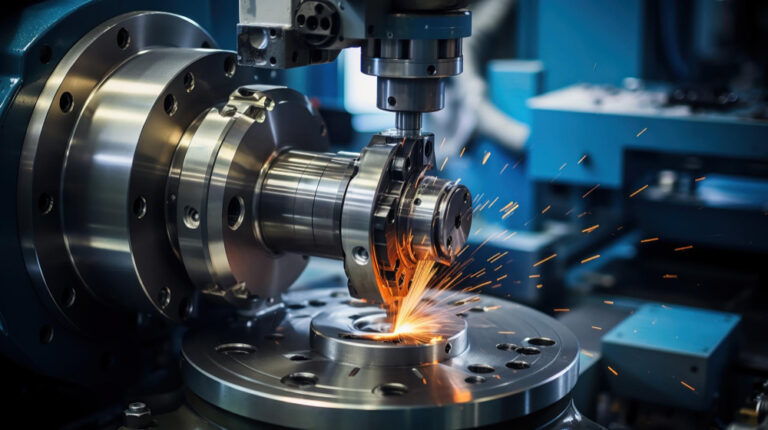
CNC Machining: Enables high-precision component production with repeatability.
CAD/CAM Integration: Enhances design accuracy and manufacturability.
3D Printing: Allows for rapid prototyping and intricate part production.
Automated Quality Control: Ensures defect-free manufacturing through AI-powered inspection systems.
Industry Applications
Automotive: High-performance engine parts, gear systems, and safety components.
Aerospace: Lightweight yet durable aircraft parts requiring extreme accuracy.
Heavy Engineering: Structural components for industrial machinery and infrastructure.
Conclusion
Precision engineering is the backbone of modern manufacturing. By continuously evolving and adopting cutting-edge technologies, companies like Pavani Precision Technics are driving industrial innovation and excellence.